When was the last time you watched TV without picking up your phone?
We talk a lot about our individual media experiences at Hypha. Call us nerds, but we always find it interesting to hear about what another person has been reading, watching, hearing, and sharing. Of course, lockdown has had us all spending more time than ever with media of all forms. And that behaviors change on a daily basis. Is it just us or does it feel like ages ago that we were sending around Tiger King memes and watching YouTube videos on how to make sourdough? ¯\_(ツ)_/¯
We all bring content into our lives in different ways. We don’t have to tell you that the time of standard cable being the sole provider of content in the modern home has long passed. But when we talk to one another and friends and family, it becomes clear that everyone has their own specific set-up for how they receive content.
Whether that’s a cable box plus an Xbox, or an Apple TV for streaming paired with an antenna for broadcast networks, the media configuration possibilities are nearly endless.
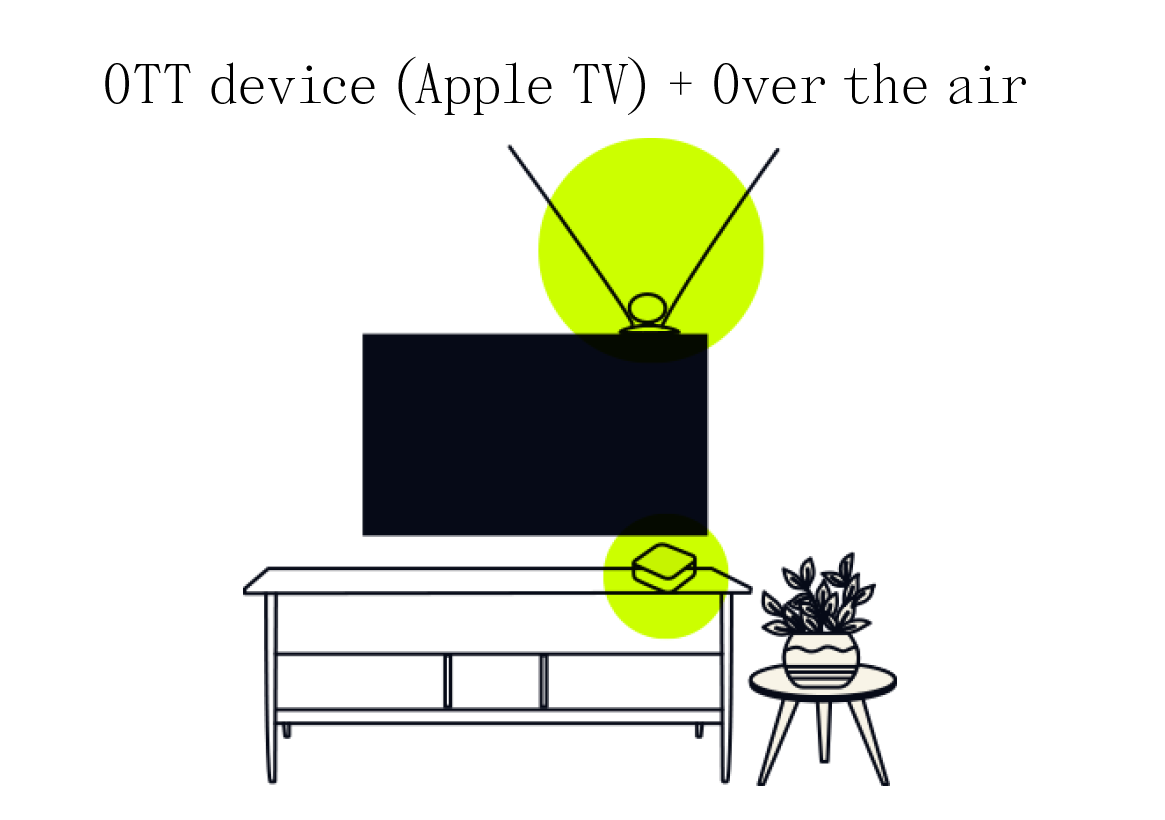
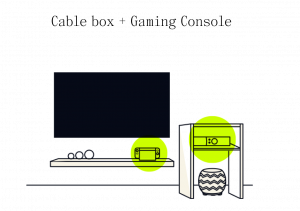
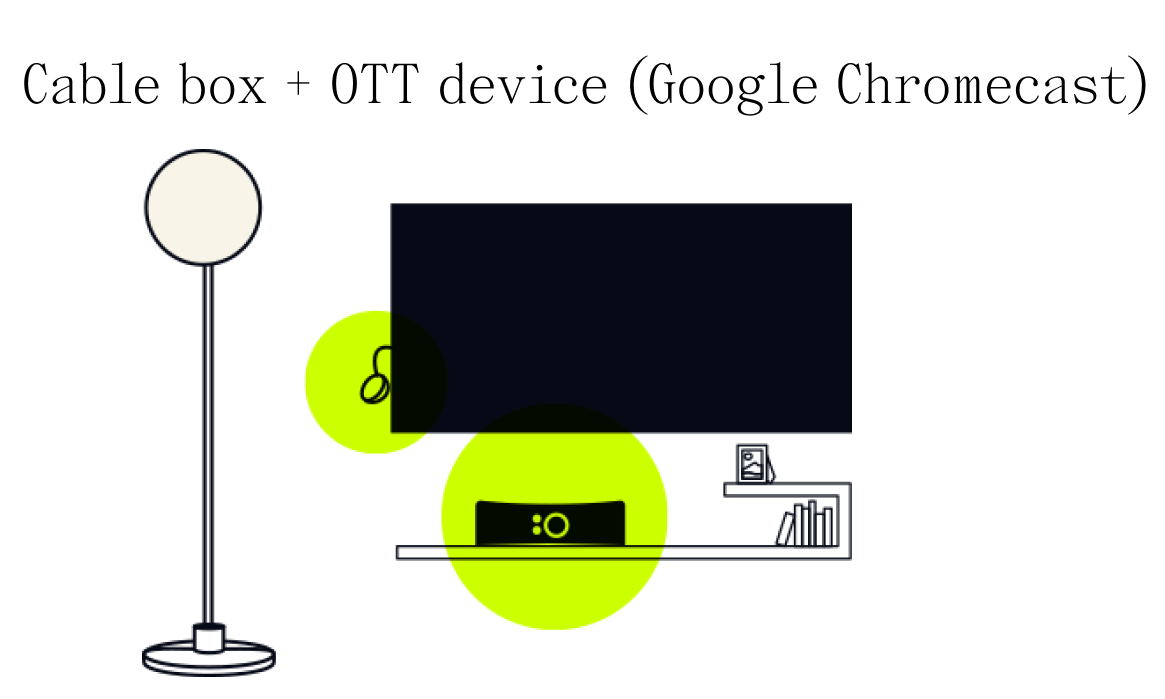
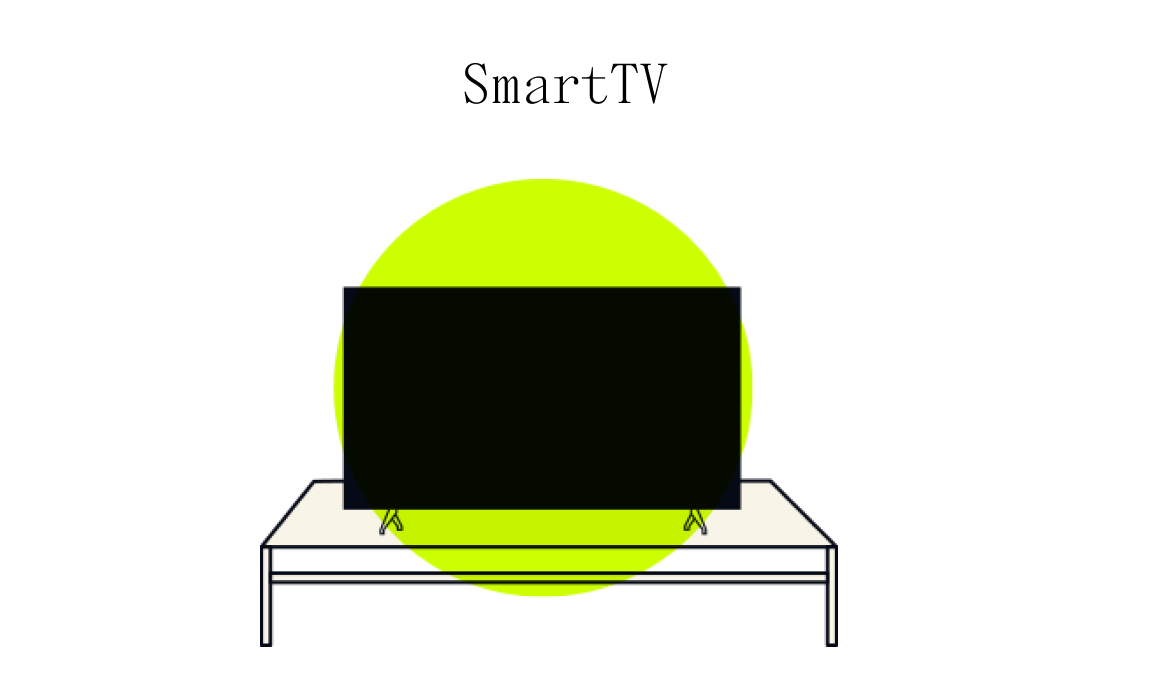
And then, there’s the content itself. With an ocean of options available to us all, every person has their own unique combination of content that they consume. This is where things get really interesting. Most of us assume that the way we consume media is pretty much the same as our friends and neighbors, but you would never guess how some people consume different types of media.
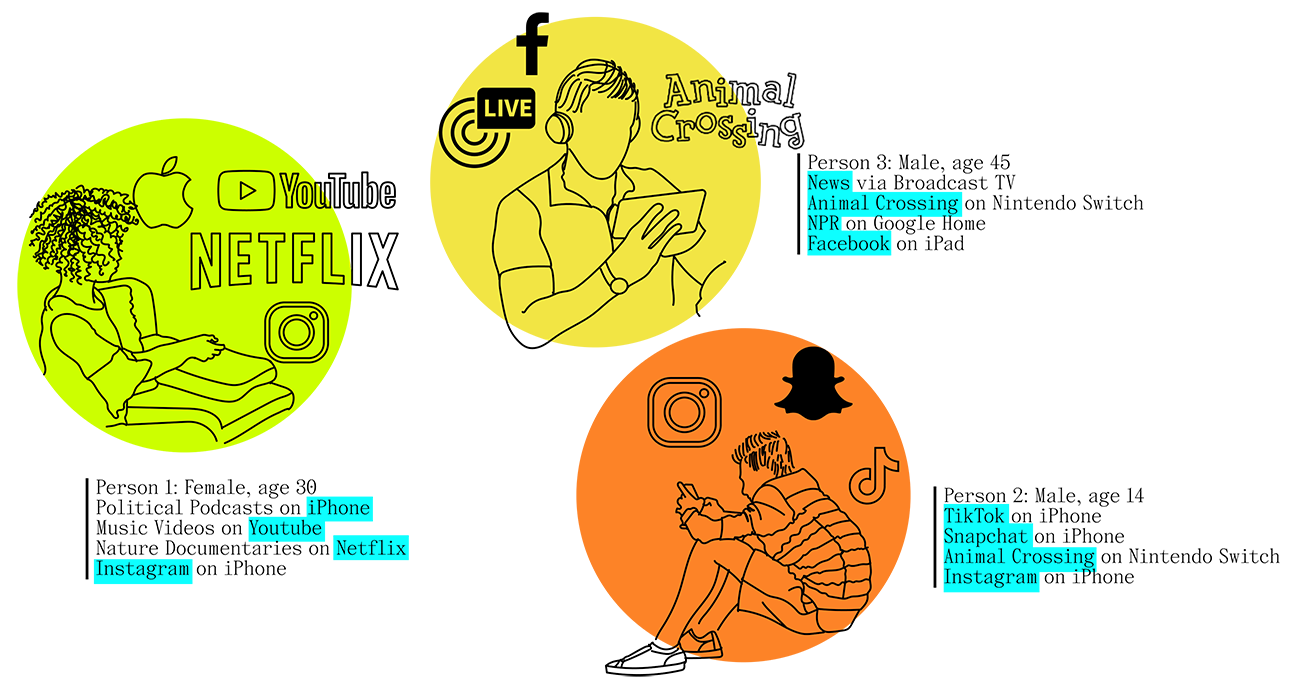
Consider the Millennial who goes from streaming political podcasts on their iPhone to watching 90s music videos on YouTube on their TV. Or the Gen-Xer who would certainly never classify themselves as a “gamer,” but just happens to spend an average of 3 hours a week playing Animal Crossing with their kids. There’s no predicting the unique data clusters that are going to be collected.
That brings us to the simultaneous usage of media. When was the last time you watched TV without picking up your phone? While simultaneous device usage can be seen as attention fracturing, we see it as important layered data that needs to be captured.
Is someone looking at their phone to distract themselves from commercials? Or are they looking up what they saw on the commercial to perhaps buy it? Is someone watching a movie and multitasking on their computer? Or are they looking up information about the movie itself? We believe in accepting the simultaneous usage of media as a fact of life, and using this data to better understand how media can support and cross pollinate other media.
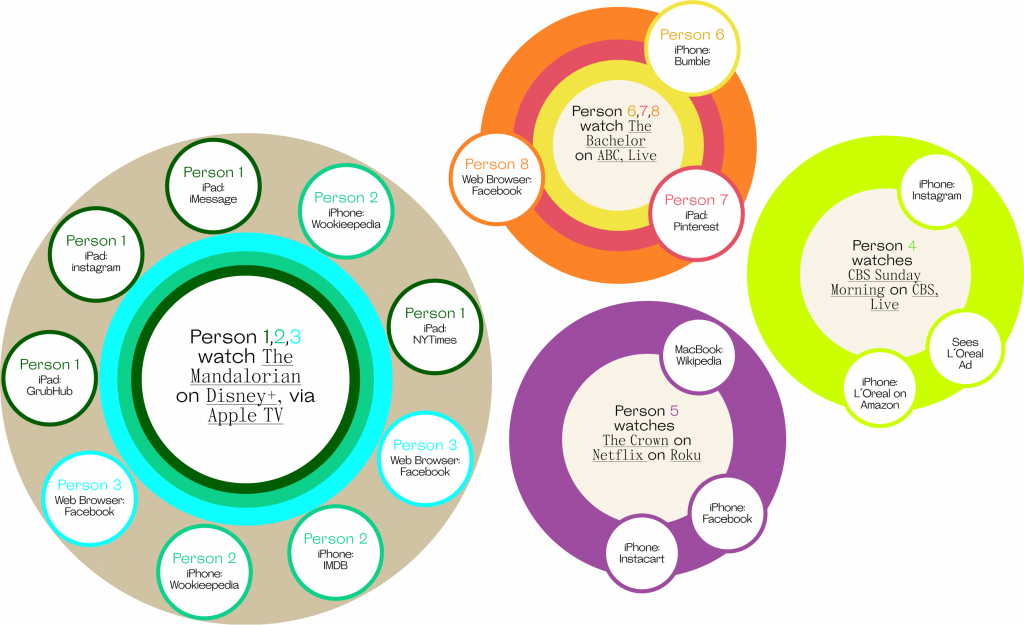
We have outlined only a few of the many different cross-sections of data that are created in the modern media environment. With an ever-expanding tapestry of content and ways of consuming it, measurement solutions need to evolve with the times.
The industry requires the addition of a single-source cross-platform data source in order to most accurately reflect these ever-evolving consumer media behaviors. By single-source, we mean the ability to capture these distinct media occurrences in their multi-faceted forms in one single data pipeline without the introduction of modeling from various external data sources. Since every experience with media is unique, this data pipeline can act as a truth set used to calibrate other data sources and ensure that true cross-platform behaviors are reflected. With an understanding of how real people are behaving with media, the experiences that are created to reach these people can more accurately align with their true interests and behaviors.
At Hypha, our mission is to deliver the industry the high-quality person level data that can only be collected in a modern panel environment. Stay tuned for our next blog post, which outlines the specific ways in which panels can measure what is currently not measured.